

[vc_toggle title=”Lyrics: Mother!”] Mother Mother Bring me to bed Muddy water, ice cold creek All the trees are without leaves And the craws are singing carols of death As the skies covered with fog And the forest full of frogs There’s a cave of frightening creatures of wrath They offered me to eat my heart To never again be a part Of the humans leaving trace on this earth Mama Mom bring me to bed tonight Mother Mama Mama bring me to bed tonight Bring me to bed tonight Bring me to bed tonight Mother Mama Mama bring me to bed tonight Mother Mother Bring me to bed Retribution of my skin But the soul is still within Take my blood Take all the nightmares with it My body never had a choice Just a shell with quiet voice Open my mouth to throw up phrases of war All the scars are cut so deep And for years I couldn’t sleep Finally I will know if there’s a god Mother Mama Mom bring me to bed tonight Mother Mama Mama bring me to bed tonight Bring me to bed tonight Bring me to bed tonight Mother Mama Mama bring me to bed tonight Bring me to bed [/vc_toggle] [vc_toggle title=”Tracklist: Audiodrome”] 01. “The New Flesh” 02. “Cat Eyes” 03. “A Siren’s Call” 04. “Deja Vu” 05. “Smoke Screen” 06. “Monarch” 07. “Before I Wake” 08. “Mother!” 09. “Porcelain” 10. “What’s Yet to Come” 11. “The Hardest Part” [/vc_toggle]Empires in Orbit and Fe Malefiz
Album: Audiodrome
Release Date: 2026
USA
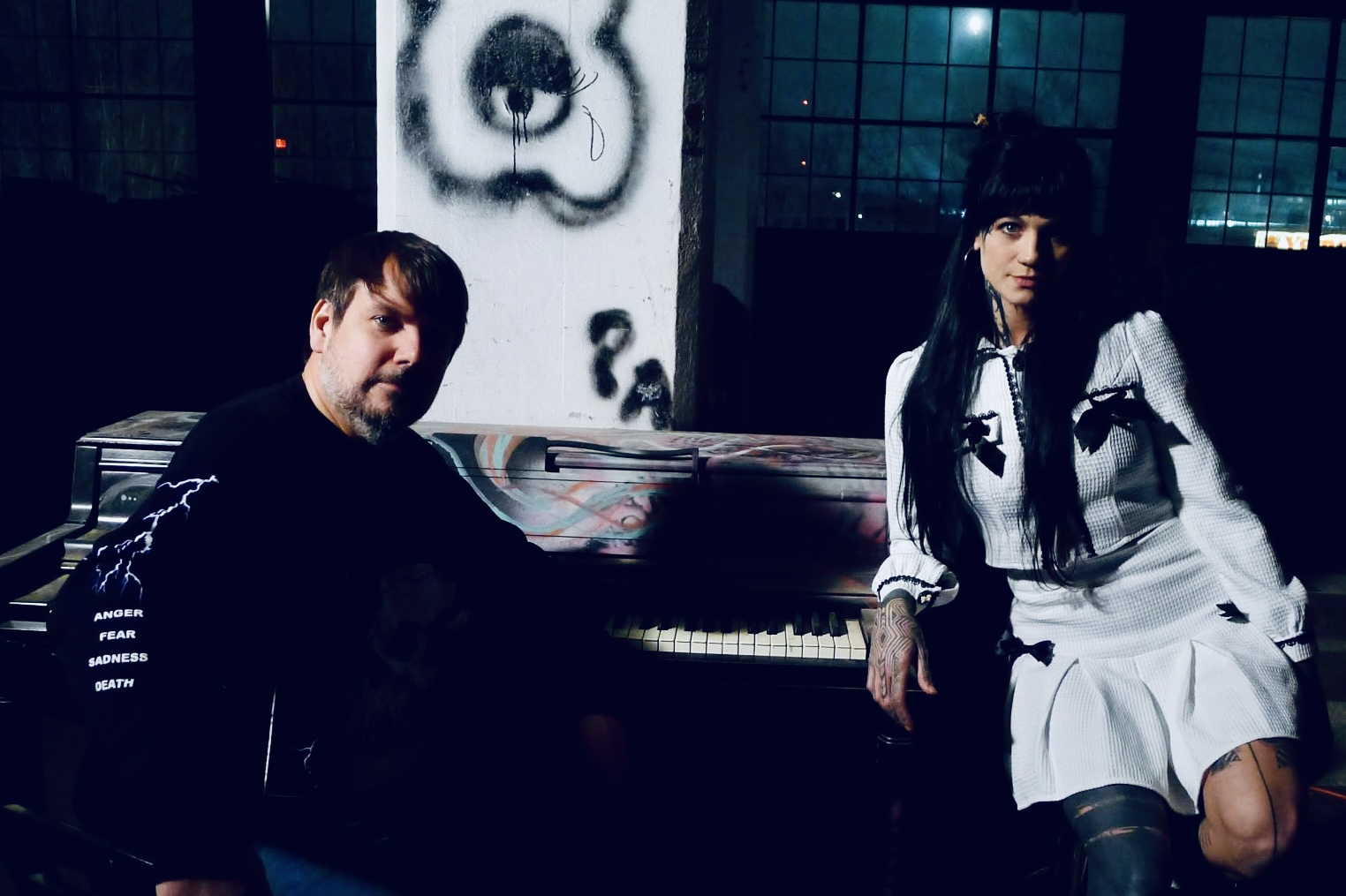
Empires in Orbit launched in 2015 by multi-instrumentalist Gary Mann. 6 albums and over 3,000,000 plays later, Empires has made their mark on electronic music. Genre defying records, dozens of collaborations, placements in film and soundtracks for ballets are the tip of the synth iceberg for a group set on shattering expectations.
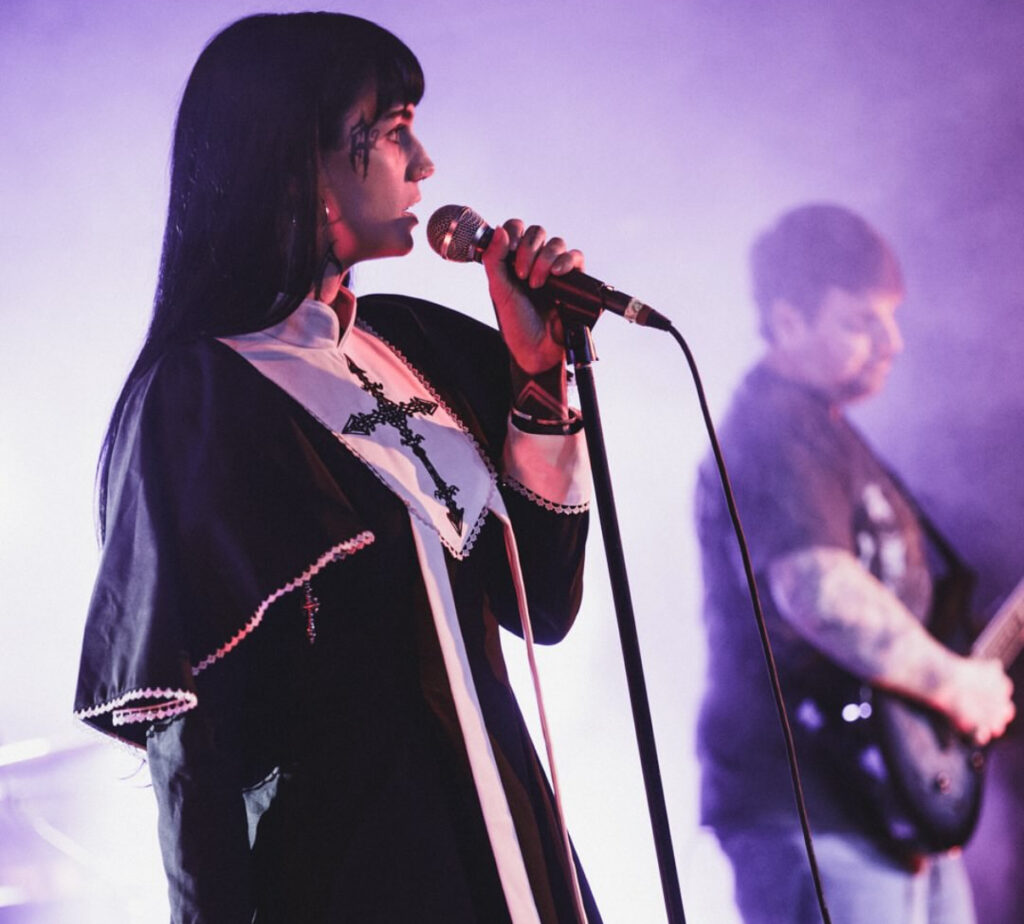
2026 ushers in a new era for the band, as they added vocalist Fe Malefiz as a permanent resident. This German powerhouse has been in the industry over 15 years and her voice has been heard on countless collaborations and voice-over work. Seemingly impossible range and ready to take her rightful place on the gothic electronic throne, Fe Malefiz enchants your ears into submission.
If I had to describe Audiodrome in just a few words, I would call it: “Black LSD.”
Miriam on how she would describe the Empires’ new album
Hi, Miriam! You’ve spent years appearing in other artists’ worlds. What changed psychologically when you stopped being a featured voice and became part of the architecture of a band?
Since I’ve always been more of the person behind the voice, and because I usually work, write, sing, and create on my own, being part of a band is still a very new experience for me. Meeting Gary in the US really showed me how meaningful it can be to belong to something bigger than yourself—a community, a team, rather than just a temporary project with individual people.
That experience made me realize how special this is, and it gave me a lot of confidence in what we’re building together. Even though we’re separated by oceans, I truly hope we can create something authentic and become a band that genuinely feels connected, both to each other and to the people who listen to our music.
Your vocals often feel theatrical without becoming “musical theatre.” How do you decide when a song needs a character and when it needs Miriam?
Sometimes there isn’t much difference between the fictional characters I create and who I am as a person. I often see myself in many different roles—sometimes not even as a human being. One day I might be a guardian angel for someone else; another day I’m the one falling apart and unable to cope.
I take pieces of my inner world, dress them in new faces, different clothes, and additional traits, and create a protagonist through whose eyes I can tell a story—usually one that comes straight from my heart. Other times, I simply step into the mind of a creature or being and watch scenes unfold inside my head, then write what I see. In German, there’s a beautiful word for this: *Kopfkino*. Literally, it translates to “head cinema,” but it means experiencing an entire movie inside your mind. You can see the scenes, the emotions, the atmosphere—everything playing out as if you’re watching a film. And to me, there’s something truly magical about that.
Gary described Audiodrome as “Lana del Reznor.” What’s a description of the album for you?
To me, this album feels like a journey through a land filled with mythical creatures, dark and colorful clouds, and ever-changing landscapes. It’s a voyage through storms and across oceans, past fantastical beings, back into reality, and then straight into a dreamworld once again. Every step of the journey is guided by deep emotions—from pain and wonder to childlike curiosity and the darkest shadows.
This album gave me the freedom to express the way I experience the world: vibrant and beautiful one day, then tragic, hopeless, and overflowing with drama the next. It embraces both extremes and everything in between.
If I had to describe it in just a few words, I would call it: “Black LSD.”
Empires In Orbit seems interested in breaking genre boundaries as this album also jumps between industrial music, indie pop, black metal, ambient music, and even hip-hop. Was there ever a moment where a song became too strange, even for a band that prides itself on having no rules in the making of Audiodrome?
I remember the first time I really started recording strange sounds— beeps, whispers, creaks, whistles, and all kinds of unusual noises. We had so many ideas, and we didn’t want every song to follow the same structure or feel the same. That’s when creativity truly took over.
I started singing, speaking, and even laughing into the microphone like a witch, experimenting with the craziest sounds I could think of. The goal was always to transform them into something that perfectly fit the atmosphere of a song. The raw recordings might have sounded a little weird on their own, but I always knew there was something special hidden in them. With the right treatment, any sound can become beautiful and add something unique to the music.
Because of that, I feel like there are almost no limits when it comes to recording music. Inspiration can come from anywhere, and even the strangest noise can become part of something magical.
I’d like to ask you a few questions about your first single from the album, Mother!. The song’s narrator seems trapped between childhood and adulthood, calling for “Mama” while facing demons alone. When you’re writing from that emotional space, are you documenting a feeling, exorcising it, or deliberately amplifying it for artistic effect?
It’s often difficult to describe exactly how the process works. Usually, I start by humming melodies over the instrumental, and very often a word, a phrase, or a rhyme appears almost immediately. Those first ideas tend to have a natural flow, so I often keep them and build the final lyrics around them.
With *MOTHER*, the word “Mama” simply came out of me, and I built the entire story around it. Part of that was because the theme resonates with me on a personal level. We’re born into this world and, in many ways, are confronted with our demons from the very beginning.
Once the melody is there, I write the lyrics much like I described before —by following the movie that’s playing in my mind. For *MOTHER*, I imagined myself wandering through a forest where demons were tempting me to join their pact. Yet the desire to crawl back into a warm, safe bed and be tucked in by my mother was far stronger. That tension between comfort and darkness, innocence and temptation, became the heart of the song.
That was my next question. The song uses “Mother,” “Mama,” and “Mom.” Did those different words feel like different characters in the story, or different emotional states of the same person?
“Mama” is the German word for “Mom,” and all three versions— *Mama*, *Mom*, and *Mother*—are understood in most parts of the world. I chose to use all of them because I wanted to show an escalation in the call.
It’s as if the first *”Mama“* isn’t enough. Then it becomes *”Mom, can you hear me?”* And when there’s still no response, it turns into the more distant, almost colder *”Mother—can you hear me?“*
The progression reflects growing desperation. The call becomes louder, more urgent, and more demanding, as if the speaker is trying harder and harder to be heard.
One of the saddest ideas in the song is that eventually even a mother can’t protect you from everything. Was writing “Mother!” more about losing protection, or about learning to become your own protector?
Without wanting to make it sound overly dramatic, the song repeatedly calls out “Mother,” “Mama,” and “Mom” almost like a plea, in different forms and with growing intensity. At its core, the question behind those words is actually quite simple:
*Do our mothers hear us at all?*
It’s about that instinctive desire to reach out for comfort, protection, or understanding when we’re lost, afraid, or overwhelmed. No matter how old we are, there’s often still a part of us that calls for our mother—and wonders whether that call is being heard.
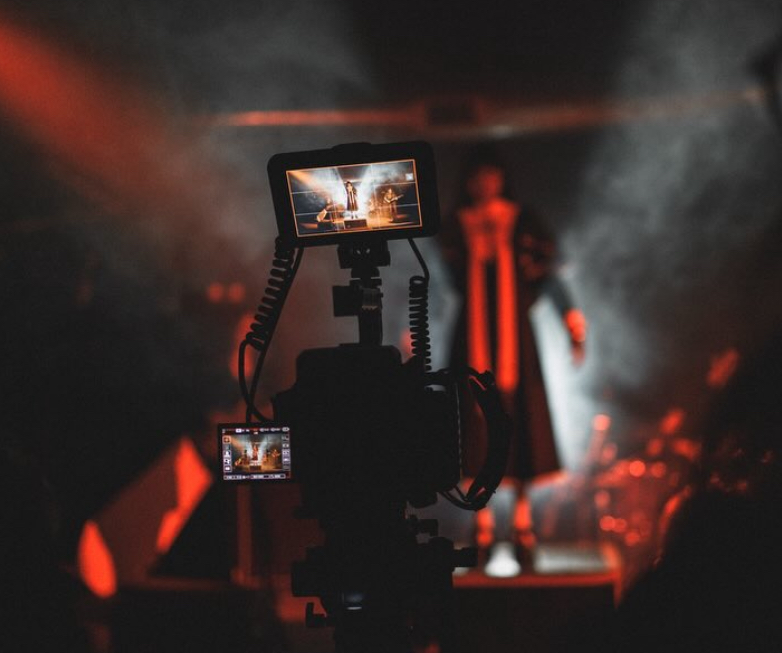
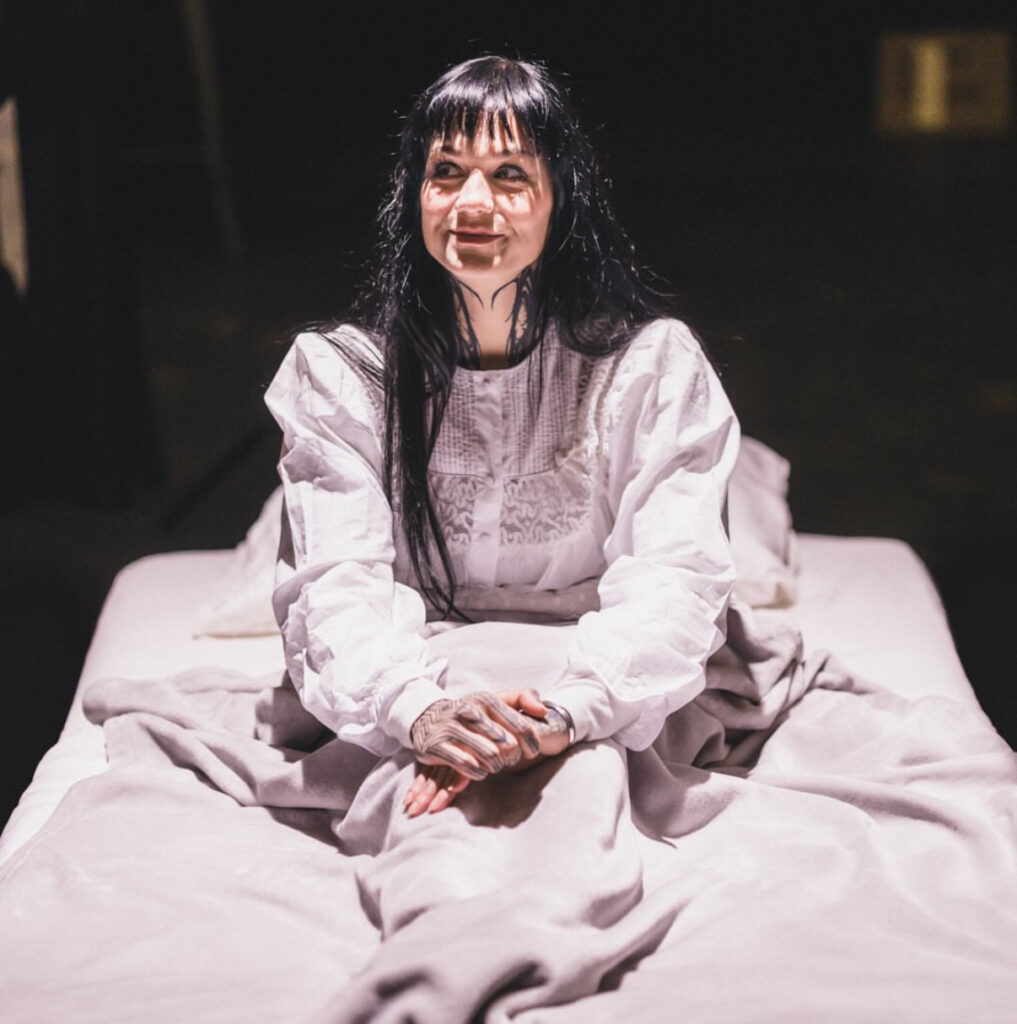
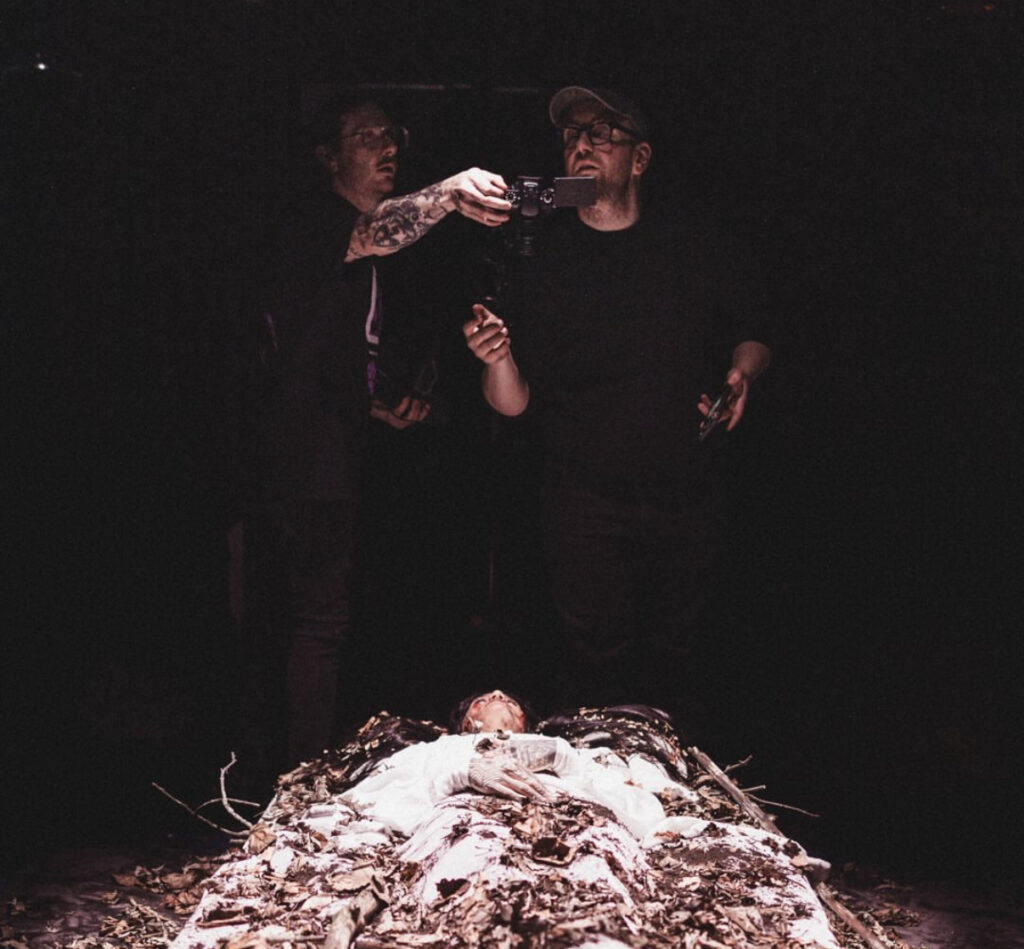
Horror films often work because the monster represents something real underneath. If the creature in the “Mother!” video had to be given a name, what would it represent: fear, grief, guilt, loneliness, or something else entirely?
I think the monster in this video represents despair and anger. It’s almost like a mantra repeating itself over and over: “Why is nobody helping me?”
I believe that’s a feeling many people can relate to—especially those who have had to overcome most of life’s challenges on their own. When you’re used to carrying everything yourself, there can be moments when frustration and loneliness build up, and that question keeps echoing in your mind.
The monster symbolizes those emotions: the exhaustion, the resentment, and the longing for support that often remain hidden beneath a strong exterior.
Also, big congratulations on the exciting news of being a mother yourself! Has it changed the way you perceive Mother!, at all?
Oh, thank you so much! To be honest, I still haven’t fully processed the fact that I’m going to become a mother myself. I’ve often found myself connecting that experience to the song, and the more I think about it, the more meaningful that connection becomes.
I truly believe that, from the bottom of my heart, I’ll do everything I can to protect my child from the darker shadows of life—or at least prepare them for the world and help them grow into someone strong enough to face it. I know I won’t be able to shield them from every hardship, but I hope I can give them the love, support, and confidence they need so that those demons never stand a chance 🙂
We’ve spent a lot of time talking about Mother!, which is one of the darkest corners of Audiodrome. When listeners finally hear the entire album in August, what side of Fe Malefiz do you think will surprise them most?
I think what will surprise listeners most once the album is released is that every single song stands completely on its own. That’s also why deciding on the track order was incredibly difficult.
One moment you’re moving from heavy, painful themes into a glittering world of magic; the next you’re leaving nature behind and descending into a dark basement shaft. Every song explores a different place, a different creature, and a different emotional landscape. In that sense, each track is its own universe.
Some songs genuinely hurt to listen to because they’re so emotionally intense, while others are the kind you can blast in the car and sing along to. Some feel best experienced alone with headphones during a long walk. The album is incredibly diverse, and my hope is that with every song, the listener becomes a slightly different version of themselves— stepping into a new world, a new perspective, and a new state of mind each time.
Last question… Every album has one song that the artist secretly can’t wait for people to hear. Now that Mother! is out in the world, which track on Audiodrome are you most excited for fans to discover?
That’s such a difficult question because I’ll listen to a song and think, *”This is my favorite!”*—and then a week later it’s a completely different one. My answer changes all the time.
I think *Cat Eyes* is probably the most unique track on the album because it’s so hard to categorize. It blends German and English lyrics, which gives it a really interesting character and makes it feel like its own little world.
But I’m also especially excited for people to hear *Porcelain*. It’s one of those songs that sounds incredibly sweet, soft, and delicate on the surface, while actually containing some of the most intense lyrics on the entire album. That contrast between something cute and something slightly unhinged isn’t immediately obvious at first—unless you’ve seen the music video that I created together with my partner.
Making that video was pure creativity. It perfectly captures the tension between beauty and madness that lives inside the song.