Nicole Alexis
Album: Sympathy Rehab [EP] via Hard Working Records
Release Date: 2026
USA
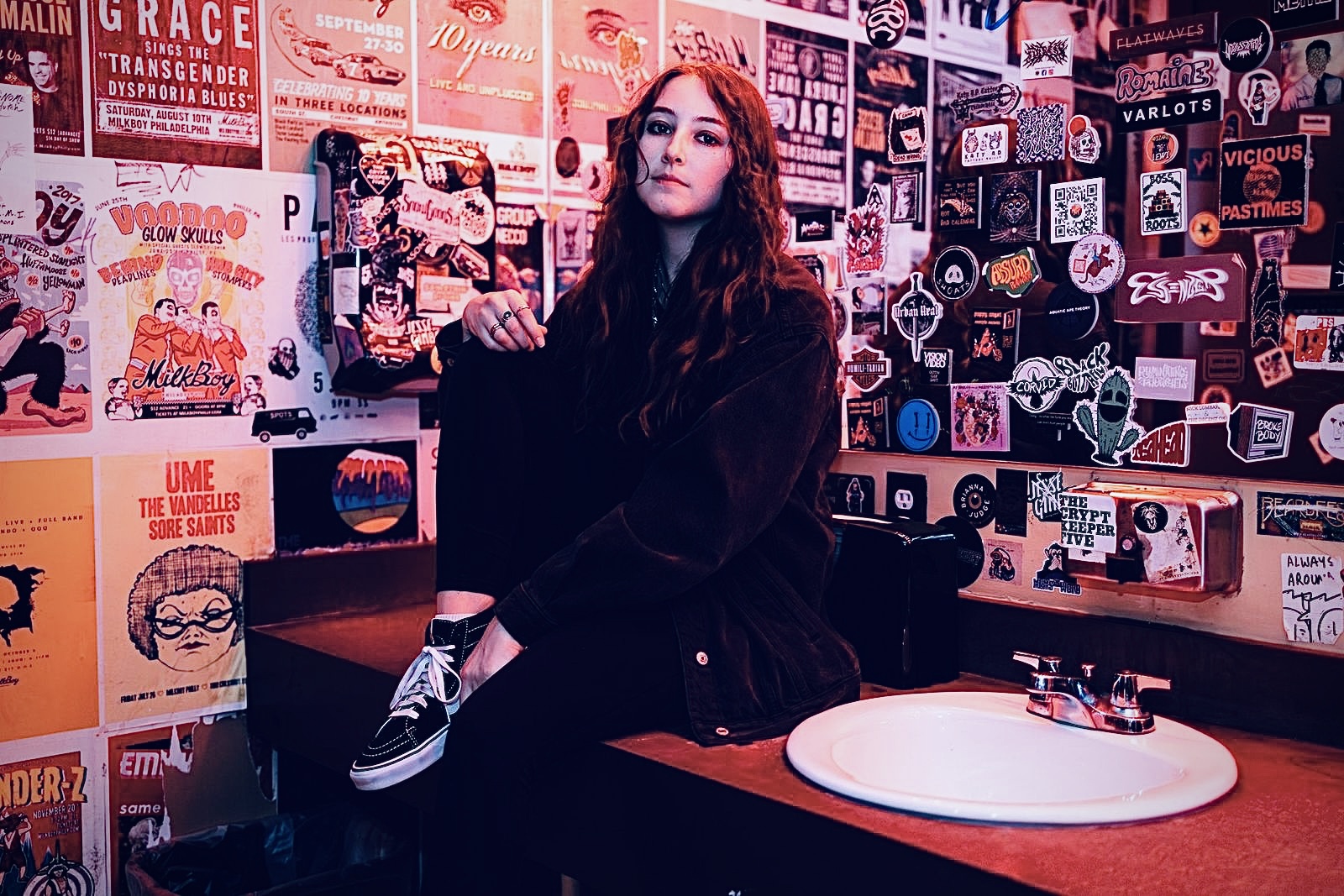
Nicole spent years writing and producing songs for other artists and has made the switch to focusing on her own one-woman project. Her music, and her covers, have garnered her quite the social media following on Instagram and TikTok. Nicole’s sharp songwriting and relatable, emotional lyrics seem to click with a generation of burnt-out creatives looking for solace in the online sphere. Her most recent single is “Just A Friend,” a stripped-back acoustic tune exploring the unique pain of having a romantic interest in a platonic friend. [More on New Noise Magazine]
Lyrics: Broken
verse
It′s like my world is crashing in
The walls are closing, caving in too tight
When will I find
A better place, a better time
To find the words to ease my mind
So I can avoid the fight?
pre-chorus
‘Cause I′m so broken
Why am I so broken?
I’m broken, and it’s hopeless
′Cause I′ve already fallen apart
chorus
Take all the pieces left of me
Taped up and falling at the seems
There’s not a world I don′t believe
I wouldn’t be broken, broken
There was a time I didn′t care
And I didn’t have to feel this scared
If there was nothing to repair
I wouldn′t be broken, broken
I wouldn’t be broken, broken
verse
I, and I can’t wait till the day I
Don′t feel this weight around me
And everything gets easier
And finally stops spinning
Maybe one day I′ll will see
That the reason’s not all on me
If everyone′s a mess
I’m not the only one who′s broken
How’d I get so broken
I′m broken, and it’s hopeless
‘Cause I′ve already fallen apart
chorus
Take all the pieces left of me
Taped up and falling at the seems
There′s not a world I don’t believe
I wouldn′t be broken, broken
There was a time I didn’t care
And I didn′t have to feel this scared
If there was nothing to repair
I wouldn’t be broken, broken
I wouldn′t be broken, broken
Tracklist: Sympathy Rehab [EP]
01. Goodbye
02. Broken
03. Broken (Acoustic)
04. Mad!
05. When You Said Forever
About Nicole Alexis
Nicole Alexis is a Nashville-based alternative singer-songwriter, multi-instrumentalist, and producer carving her own lane in modern DIY rock.
After spending years behind the scenes writing and producing for other artists, Nicole quietly built her own project from the ground up. Performing, producing, and engineering every release herself.
Blending raw alternative energy with vulnerable singer-songwriter storytelling, her music resonates with listeners who feel deeply and think loudly. Her hands-on artistry and live performances have earned recognition and co-signs from legacy acts like New Found Glory, 30 Seconds To Mars, and Breaking Benjamin — while she continues to remain fiercely independent.
Despite her technical precision and self-produced catalog, Nicole maintains the grounded accessibility of the girl next door, cultivating a transparent and highly engaged online community that grows with every release.
As she prepares a new wave of acoustic-leaning EPs and live performance projects, Nicole Alexis stands as a true one-woman operation — proving that modern alternative music doesn’t need a machine behind it, just vision, grit, and truth.
There was a point where I started noticing that my favorite versions of my own songs were usually the least complicated ones. That realization changed the way I approached the EP. Instead of asking what else a song needed, I started asking what I could take away without losing the feeling. That was probably the biggest shift for me.
Nicole Alexis on the process of making her new EP
Let’s start with “Broken.” What was happening when you wrote it, and did you know right away that it was a song you wanted to hold onto?
“Broken” came from that feeling of knowing something isn’t good for you anymore, but still not being completely ready to let it go. I think a lot of the song is me trying to reason with myself in real time. There’s frustration in it, but there’s also this attachment that makes leaving way more complicated than it should be.
I definitely knew there was something about it that I wanted to hold onto. Usually the songs I connect with most are the ones I don’t have to overthink while I’m writing them. They just kind of fall out, and “Broken” felt like that.
You released two versions of “Broken.” What made you want to put both versions out, and what does each one bring to the song?
I’ve always loved hearing songs stripped back because sometimes you realize how much emotion was hiding underneath the production. With “Broken,” I felt like both versions showed something different.
The full-band version has more frustration and release to it. The acoustic version feels more vulnerable, almost like you’re hearing the song before I had a chance to put any walls around it. I didn’t really see one as the “real” version and the other as an alternate. They’re almost two different emotional perspectives on the same song.
The lyrics on “Broken” feel very direct and conversational. Was there anything you found difficult about putting those feelings into words?
I actually think being direct is what makes writing easier for me. I’m not someone who naturally writes in these huge metaphors. Most of the time I’m trying to figure out how I would actually say something if I had the courage to say it to the person.
The difficult part is usually realizing after the fact how honest I was. When I’m writing, I can almost forget that other people are eventually going to hear it. Then you finish the song and go, “Oh… I guess I’m putting that out into the world now.”
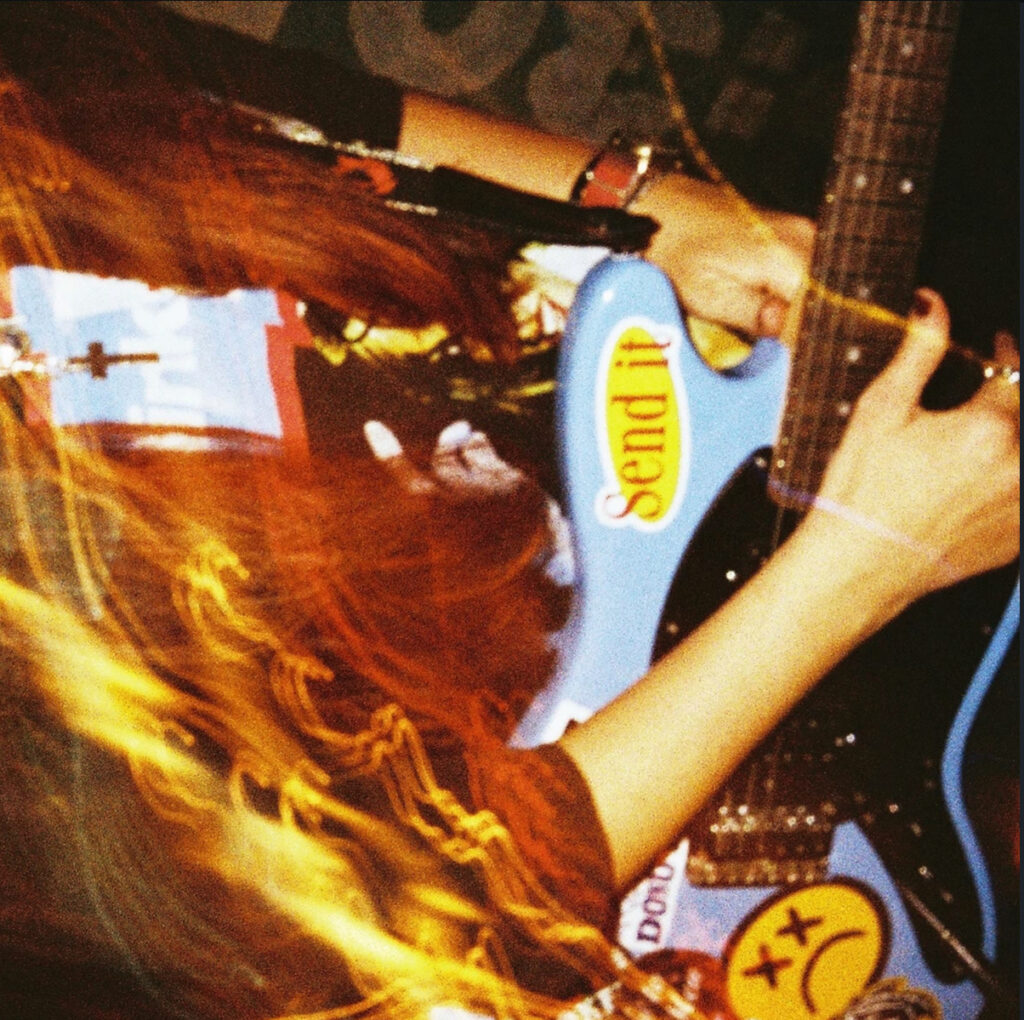
You’ve described Sympathy Rehab as the most comfortable you’ve ever felt in your own music. What changed for you while making this EP that made you feel that way?
I stopped trying so hard to figure out what kind of artist I was supposed to be.
For a long time, I think I was constantly analyzing my own music while I was making it. Is this alternative? Is this too pop? Does this sound current? Where does this fit? And the more questions I asked, the further away I got from the music I actually love.
With this project, I started paying more attention to what I naturally gravitate toward: live imperfect recordings, really direct lyrics, and songs that can still work when you strip everything away. Once I stopped trying to force all of those things into a specific box, the project started sounding a lot more like me.
You’ve talked about letting go of what you thought a record was “supposed” to sound like and following what you naturally gravitate toward. Was there a particular point during the making of Sympathy Rehab when that clicked for you?
I don’t know if there was one dramatic moment as much as there was a point where I started noticing that my favorite versions of my own songs were usually the least complicated ones.
I’d spend forever producing something, adding layers and trying to make it feel “finished,” and then I’d sit down with a guitar and play it once and think, “Why does this suddenly feel more like me?”
That realization changed the way I approached the EP. Instead of asking what else a song needed, I started asking what I could take away without losing the feeling. That was probably the biggest shift for me.
You mentioned live drums, guitars and imperfect performances as things you wanted to embrace this time. What do you think those imperfections add to a song that you can’t get from a perfectly polished recording?
Personality. I think we’ve gotten so good at making recordings technically perfect that sometimes you can accidentally remove the person from them.
I still care a lot about production, but now I’m much more interested in whether something makes me feel something than whether everything is perfectly clean. Sometimes the technically “worse” take is the one I want to listen to again.
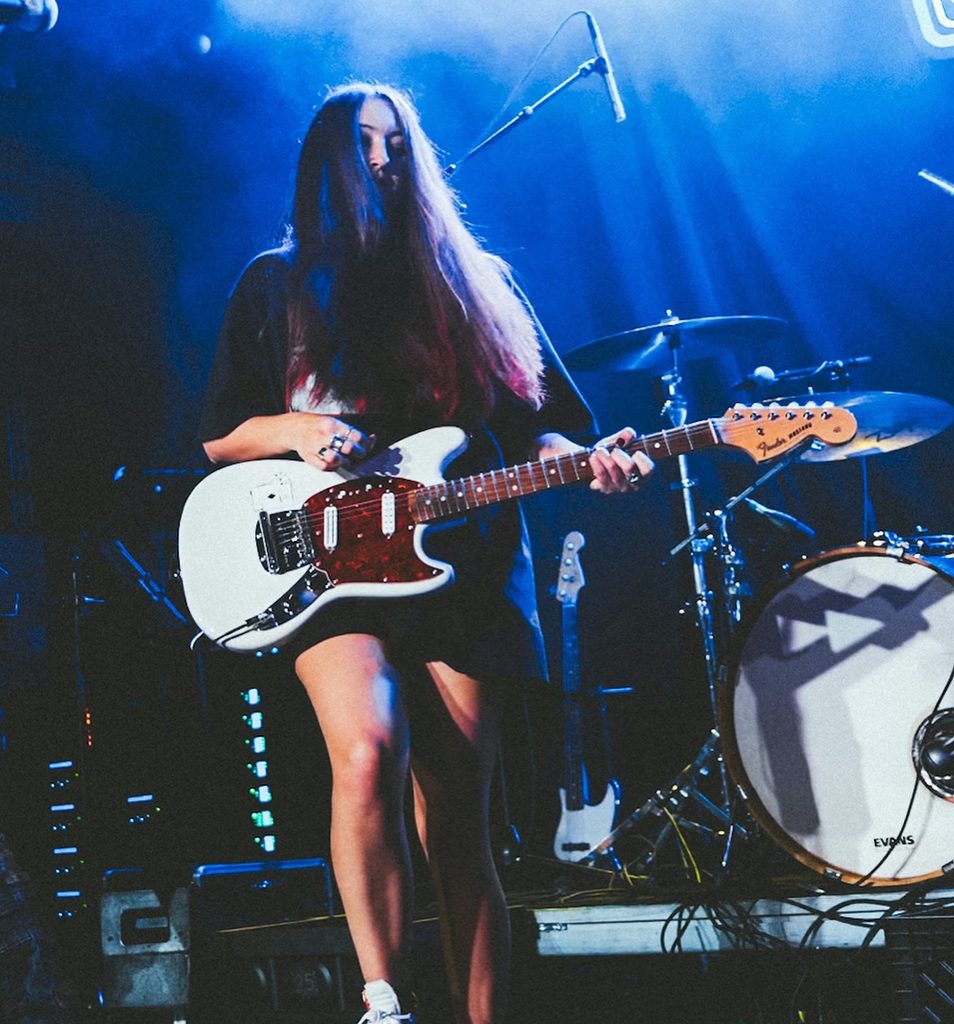
Without giving away too much before the EP comes out, what do you hope people discover about you as an artist by listening to Sympathy Rehab from beginning to end?
I hope they feel like they know me a little better by the end of it.
Much of this project is very much just me talking myself through these situations and writing out of realizations and frustration. Trying to process why I reacted a certain way to convicts, understanding my relationships with other people and my relationship with myself. Much of this EP is just a deeper understanding of who I am and more than anything, I hope someone listens to it and feels like they found a record they can see themselves in the lyrical content of the music.
You’ve built a pretty big audience online, and Fender recently featured “Don’t Tell Me To Breathe” in its Quantum LT campaign. With more people paying attention to your music, has that changed anything about the way you approach making songs, or do you try to keep that part of things out of your creative process?
I try really hard to keep it out of the room when I’m writing.
Having an audience is amazing, but the internet also gives you an insane amount of information about what people respond to. You can very quickly start thinking about the clip before you’ve even finished the song, what the hook is, what fifteen seconds people might use, whether something will perform well. I’ve definitely caught myself doing that.
I’m trying to move in the opposite direction now. I want the song to be something I would still make if nobody was going to hear it. Then once it exists, I can figure out how to share it.
Being part of the Fender campaign was especially cool because guitar has always been such a huge part of how I write and identify as an artist. Moments like that make me want to keep leaning further into the things that are genuinely part of me rather than trying to predict what people want to hear from me.