
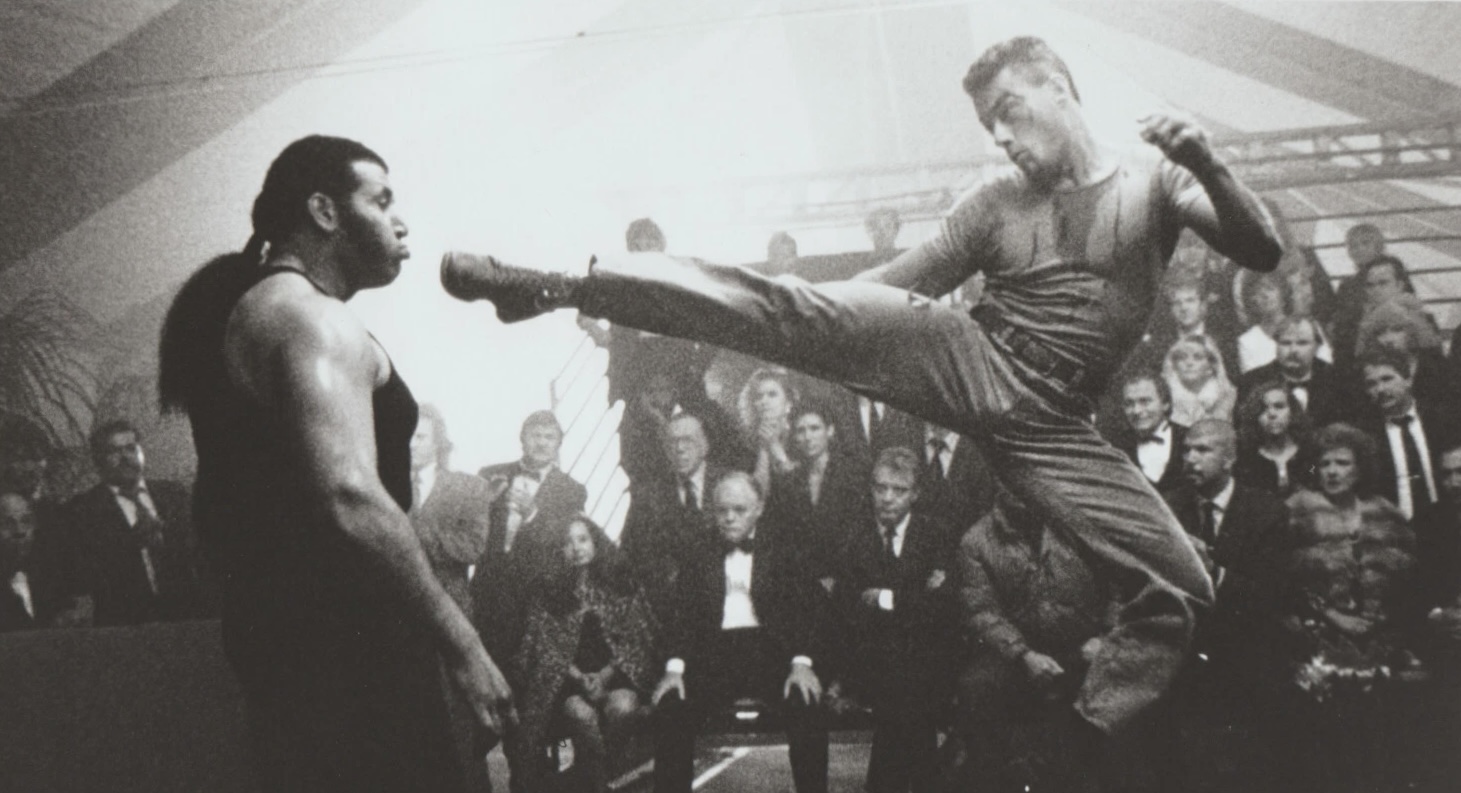
Abdel Qissi: Moroccan-Belgian actor and former professional boxer
Lionheart
Release Date: 1990
USA
Some movie villains scare you. Some make you hate them. And then there’s Attila.
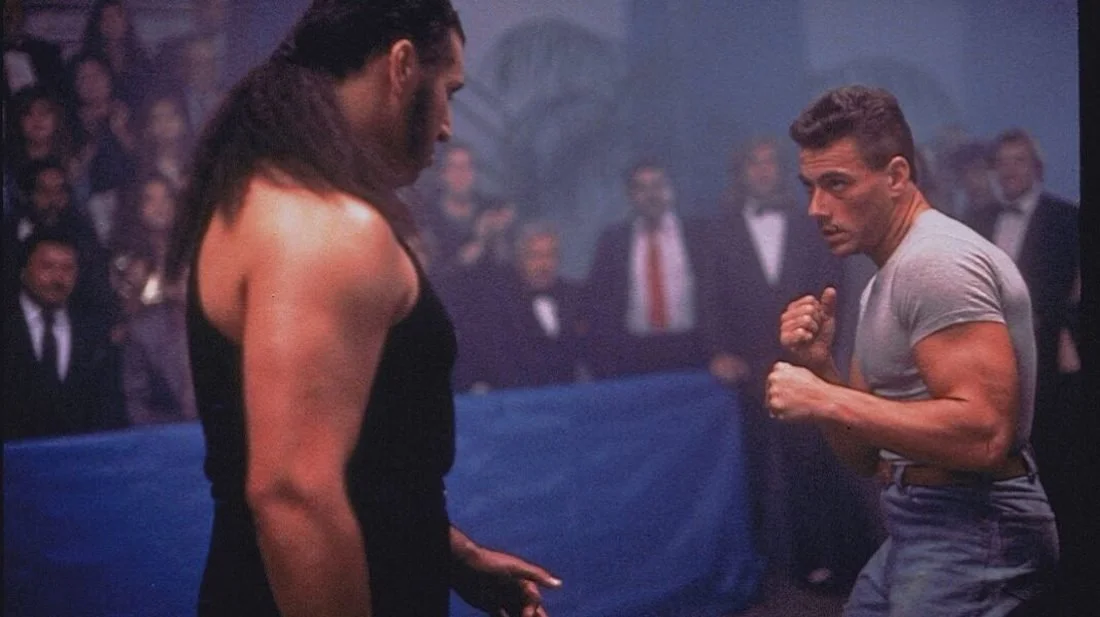
I was a kid when I first watched Lionheart, and somehow that final fight between Lyon and Attila never left me. I’ve watched the movie more times than I can reasonably admit, but that fight still gets me. The confidence, the exhaustion, the respect that slowly appears between two fighters… and that ending. Pure cinema.
I already had the chance to talk to Sheldon Lettich, the man who helped bring Lyon Gaultier’s story to the screen. This time, I wanted to hear from the other side of the ring.
Abdelkrim Qissi, the man behind Attila, is on Infected Ear to talk about boxing, Lionheart, that unforgettable fight with Jean-Claude Van Damme, his brother Mohamed, The Last Kumite, and why sometimes the most powerful thing a fighter can learn is when to stop.
Infected Ear editor Emre Yuruktumen just won’t shut up about his Lionheart addiction
Abdel Qissi Biography
Abdel Qissi (born 20 January 1960) is a Moroccan-Belgian actor and former professional boxer with eight recorded fights in the early 1980s. As an actor, Abdel debuted as the antagonist Attila in Lionheart (1990), opposite Jean-Claude Van Damme’s character. He went on to appear with Van Damme in two more films, The Quest (1996), where Abdel played the main antagonist Khan, and The Order (2001).
Qissi was born in Oujda, Morocco and moved to Brussels, Belgium in his early years. In the 1980s he had a boxing career of eight fights consisting of five wins, two via knockout, one draw and two losses.[1] Through his brother Michel, Qissi later became an associate of Jean-Claude Van Damme to which he starred in some of Van Damme’s movies.
Abdel Qissi Filmography
| 1990 | Lionheart | Attila | |
| 1993 | Shadow Boxing | Corner Man | Short |
| 1996 | The Quest | Khan (Mongolian Fighter) | |
| 2001 | The Order | Big Arab | |
| 2001 | Los Bravos | ||
| 2018 | Agents of S.H.I.E.L.D. | 2 Episodes | |
| 2024 | The Last Kumite | Detective Dobrev |
It isn’t necessarily improvisation. It is a feeling.
Abdel Qissi
You came to cinema through boxing and martial arts rather than through a traditional acting career. How did boxing prepare you for your first experience on a Hollywood film set?
When I was very young, around 11 or 12 years old, I was a great admirer of Muhammad Ali. He was the one who awakened my passion for boxing. I wanted to experience what he experienced: stepping into a ring and facing an opponent according to the rules of the noble art.
Boxing occupied a large part of my youth, until I was 24, in 1984.
A few years later, Jean-Claude Van Damme and my brother Mohamed, who were beginning to make their breakthrough in the United States with Bloodsport and Kickboxer, called me and offered me the role of Attila in Lionheart (Full Contact) in 1989.
When I arrived on that first film set in Hollywood, I ultimately had a considerable advantage: I knew the ring.
The ring requires courage. It teaches you how to be watched by dozens, hundreds and sometimes thousands of people while remaining focused under the pressure of combat.
By comparison, arriving on a film set seemed much simpler to me. I was comfortable, calm and attentive to what was being asked of me. Some of the technicians and artists present even thought I was already a professional in cinema because I seemed so comfortable in that environment.
When Jean-Claude and I filmed the parts of the fight that we had choreographed, it also came very naturally. I even received compliments from cameramen who told me that I not only had ease in front of the camera, but also “an eye.”
I owe much of that to boxing. It taught me how to manage space, pressure, the gaze of others and how to remain focused. So yes, boxing gave me an enormous amount in my work as an actor.
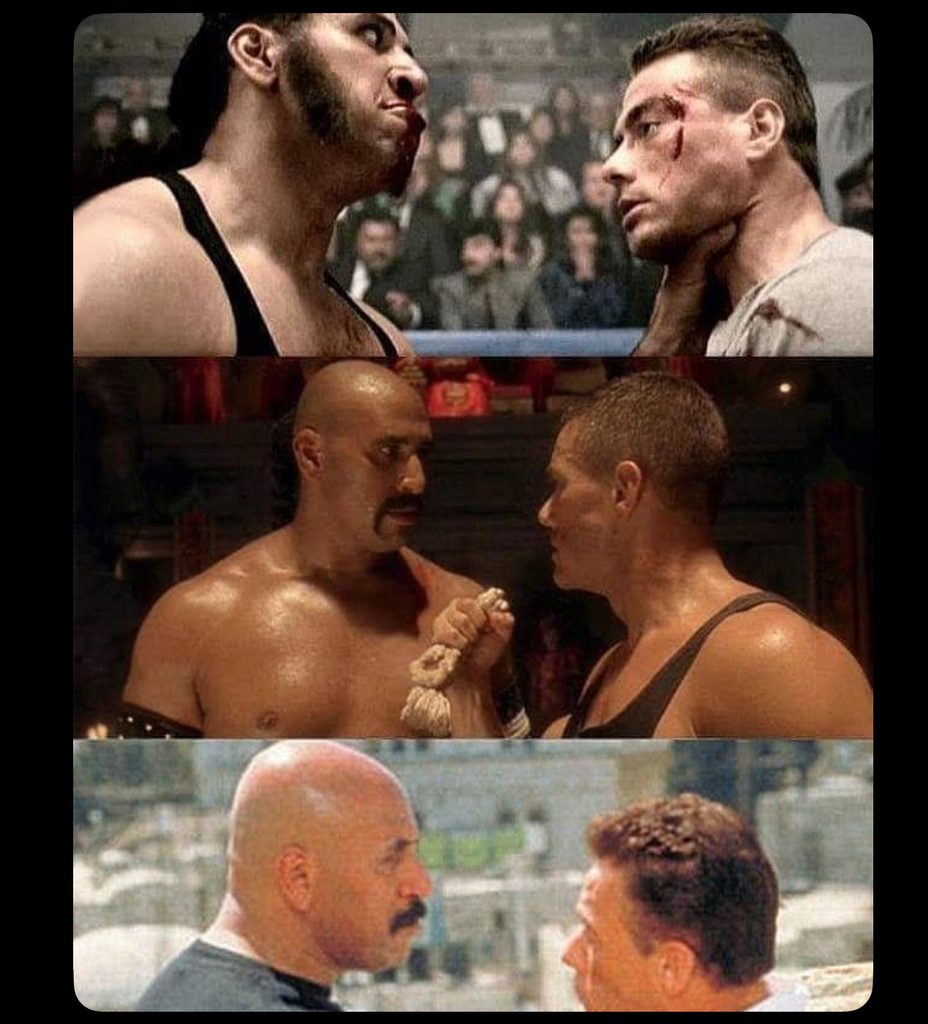
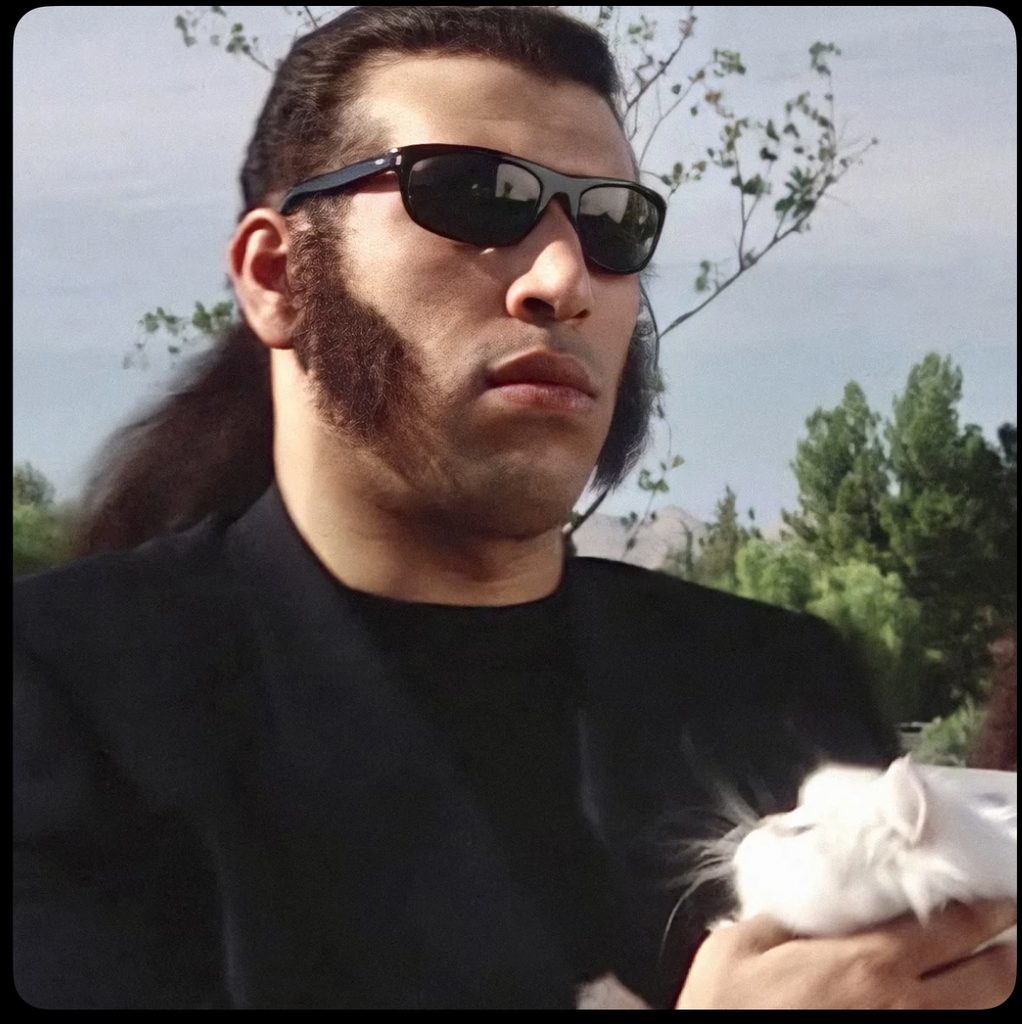
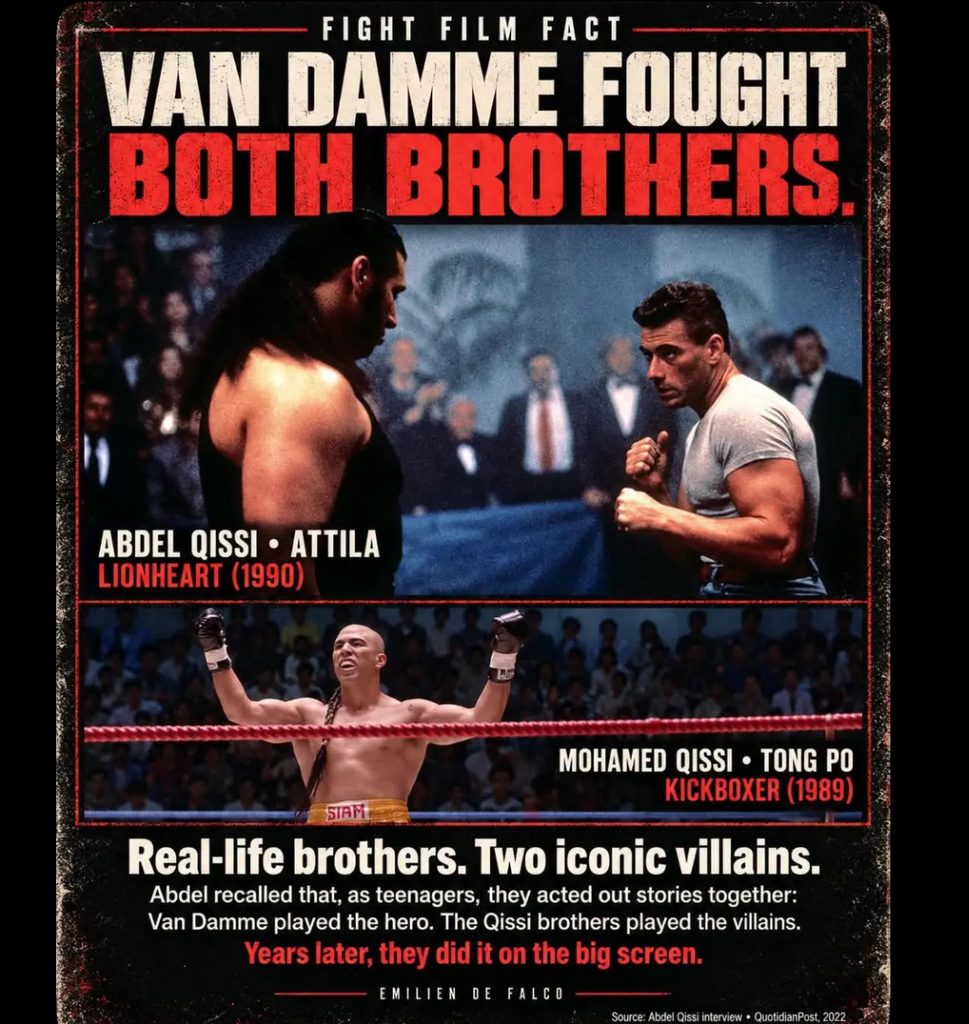
Attila’s evolution during the final fight is fascinating. At the beginning, he is completely confident. Then Lyon begins to resist and surprise him, and eventually Attila recognizes the strength of the man standing in front of him. How did you approach that transformation?
At first, the director primarily wanted me to portray the final fighter Lyon would have to face. Attila had to impress the audience. The spectators had to fear him and, above all, fear for Lyon when he found himself facing him.
I obviously followed that direction. But Attila’s evolution during the fight is something I felt more than something I consciously constructed beforehand.
At the beginning, Attila is completely confident. Then Lyon resists, comes back into the fight and begins to surprise him. That surprise had to appear in my eyes and in my attitude.
Gradually, Attila’s confidence gives way to astonishment, then to recognition of the strength of the man standing in front of him, and finally to submission when he realizes that he has been defeated.
So I wouldn’t say that I intellectually constructed that entire evolution before filming. I lived it in the moment.
A director gives an actor what he needs for a scene, but the actor can then feel something that goes beyond the original direction. It isn’t necessarily improvisation. It is a feeling.
When I saw the finished film, I felt what I had hoped the audience would feel while watching that fight. Attila was no longer simply the intimidating man from the beginning. Something had changed in him through his encounter with his opponent.

You and your brother Mohamed recently reunited in The Last Kumite. Since the only film you had previously made together was Lionheart, what was it like finding yourselves in front of a camera together again after all those years?
When the German production of The Last Kumite offered me the opportunity to participate in the film at the same time as my brother Mohamed, I was genuinely happy.
The only film we had previously made together was Lionheart. I played Attila and Mohamed played Mustapha. So finding ourselves together in front of a camera so many years later was a nice wink to the past.
We really enjoyed returning to that world, which had been such an important part of our lives.
Obviously, The Last Kumite did not have the same resources as the major Hollywood productions of that era. Financial and technical resources inevitably play a role when you want to give a film a large scale.
But I thought the film did very well with the resources it had, and I was pleasantly surprised by the result and by its reception, particularly in Germany.
For me, above all, it remains a very enjoyable memory shared with my brother.
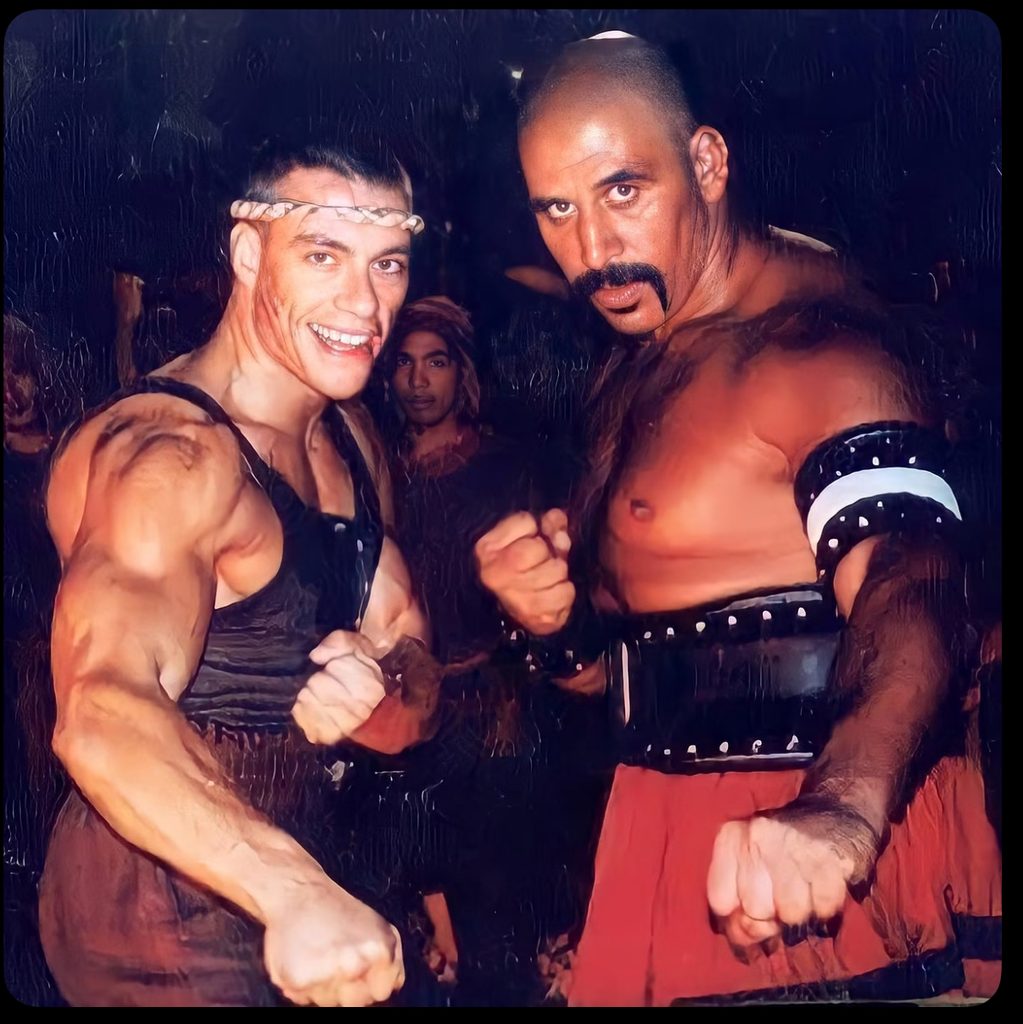
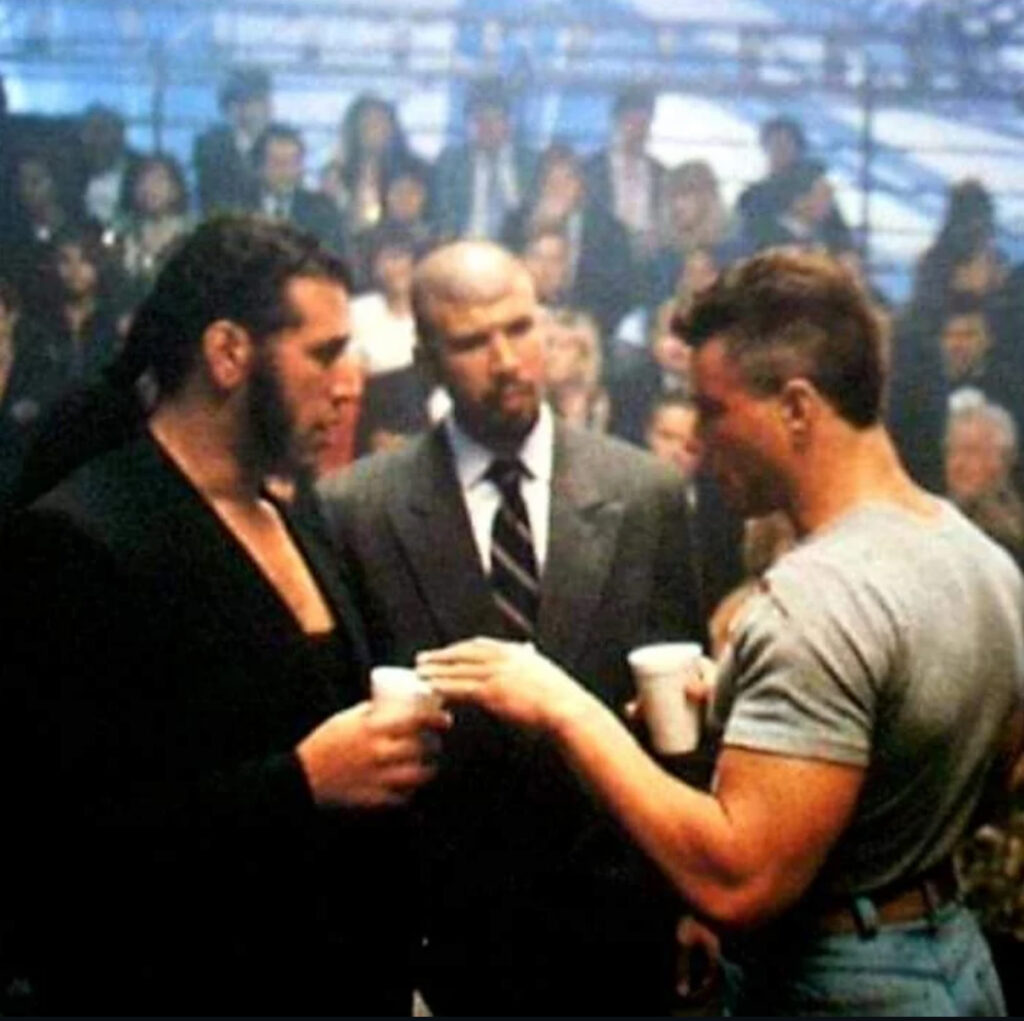
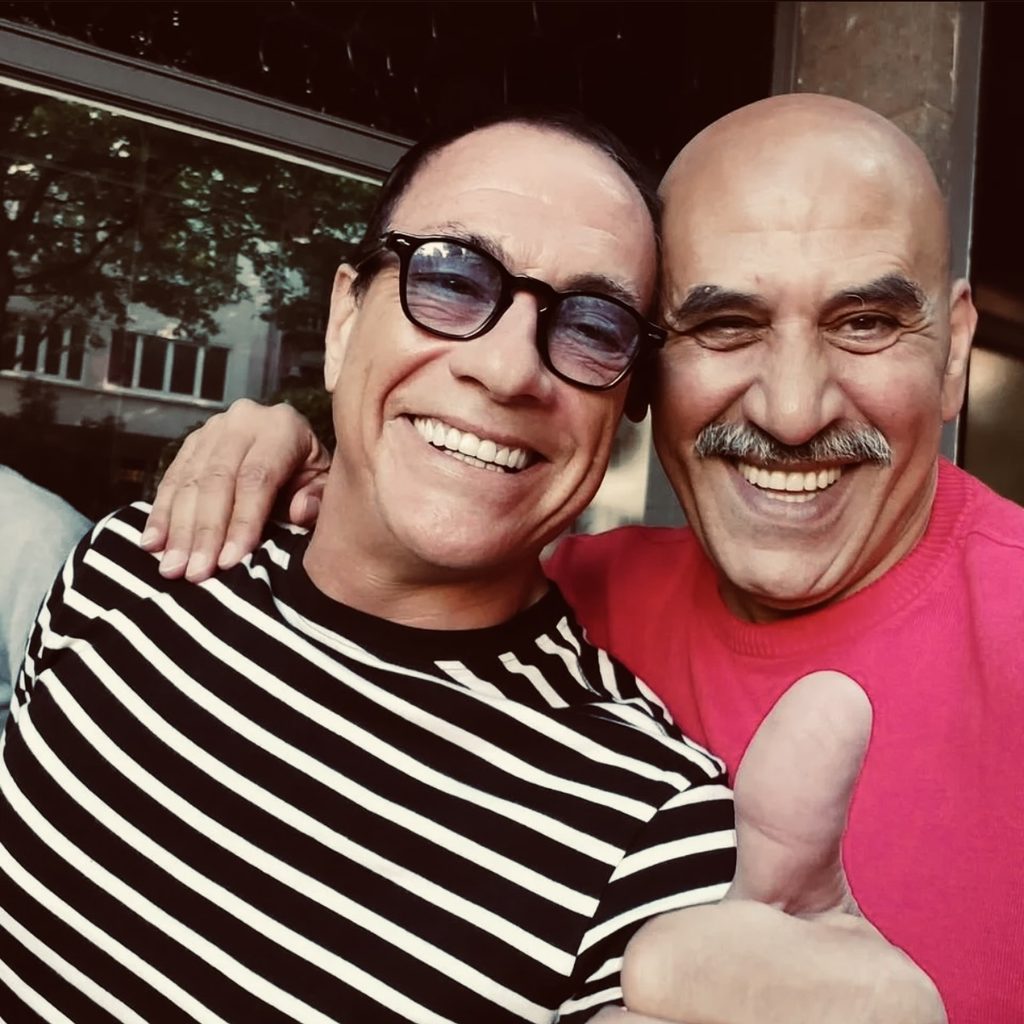
You grew up in a world of combat sports, and you were part of a generation of martial-arts films where the fights could be extremely intense, but the stories also emphasized discipline and respect. What do you think made those films different?
I think there was indeed something somewhat different about many martial-arts films of that era.
Even when the fights were hand-to-hand and could be very intense, you could recognize a sporting discipline behind the movements: boxing, karate, kung fu, judo or other martial arts. Behind the fighting, there was often an idea of discipline and a certain amount of respect.
When one of the two fighters had won, you could also feel that moment when you had to know when to stop. Being the strongest did not necessarily mean continuing to destroy the person who had already lost.
It is also important to understand that a production wanting to distribute its film internationally and reach a very broad audience has to think about what it shows. That obviously depends on the producers and directors, but I think the actors themselves can also have a say.
I personally experienced this on The Grand Tournament (The Quest), in which I played the Mongolian fighter.
WRONG BET
You actually experienced that question of what should and should not be shown firsthand on The Quest. What happened?
I was offered a scene involving two very young girls in order to emphasize the savage and brutal nature of my character. I refused to film the scene out of personal conviction. I did not want to show that on screen.
I explained that it was entirely possible to show the Mongolian’s savagery in another way.
That is how I proposed the idea for the scene in which my character arrives at the table where Jean-Claude and his companions are sitting. He asks them to stand up. They refuse. The Mongolian then violently breaks the table and strikes one of the men who tries to approach him.
The desired result was there: within a few seconds, the audience understood that this man was extremely powerful, brutal and dangerous. But we achieved that without needing the scene I had refused.
This is an example that means a lot to me because it shows that an actor can also contribute something to a film. You can create tension, fear and even great cinematic violence without necessarily showing everything.
That experience seems to connect with something larger about the martial-arts films of your generation. Do you think filmmakers and actors were more conscious of the limits of what should be shown, particularly because young audiences were watching these movies?
I think that at that time, we were perhaps more attentive to certain limits, particularly because these films could be seen by young audiences.
For me, martial arts and combat sports are not simply a demonstration of violence. They are also about discipline, courage, self-control and, ultimately, respect.